


Table of Contents
- Why Protein Powder Causes Digestive Issues
- Whey Isolate vs. Whey Concentrate for Digestion
- Protein Powder Without Artificial Sweeteners and Additives
- Best Vegan Protein for Bloating and Gas
- Hydrolyzed Protein and Plant-Based Alternatives
- How to Select High-Quality, Digestible Protein
- DIY Protein Shake Recipes for Sensitive Stomachs
- Frequently Asked Questions
Last Updated: September 28, 2026
Why Protein Powder Causes Digestive Issues
Not all protein powders are created equal. Artificial sweeteners, sugar alcohols, gums, thickeners, and poorly processed protein sources trigger bloating, cramping, and flatulence in people with sensitive digestion. Your gut bacteria react to these additives, producing gas and inflammation, while some powders contain lactose or are processed in ways that reduce bioavailability.
At The Whey of the Lord, we understand that faith-driven fitness enthusiasts deserve supplements that support both physical performance and digestive wellness. The right protein powder shouldn't just fuel your muscles, it should honor your body's natural processes. This is why we've engineered our formulations with clean, additive-free ingredients designed for optimal absorption and gut health.
Whey Isolate vs. Whey Concentrate for Digestion
Whey isolate undergoes micro-filtration to remove most lactose and fat, yielding 90% pure protein. Whey concentrate retains more lactose and fat at 70-80% protein by weight, making it less suitable for sensitive digestion.
For sensitive digestion, whey isolate is superior because micro-filtration removes most lactose. Switching from concentrate to isolate often eliminates cramping or bloating within days.
Whey concentrate contains more naturally occurring compounds that support muscle protein synthesis, but the trade-off is digestibility. The real issue arises when manufacturers add artificial sweeteners and gums, which trigger gastrointestinal distress regardless of isolate versus concentrate status.
Protein Powder Without Artificial Sweeteners and Additives
Artificial sweeteners like sucralose, aspartame, and acesulfame potassium are common but trigger digestive distress. Sugar alcohols like sorbitol and xylitol ferment in your gut, creating gas and bloating that lasts for hours.
Seek protein powders with a clean label sweetened with stevia or monk fruit. The ingredient list should be short and recognizable, if you can't pronounce an ingredient, your gut probably can't process it efficiently.
Gums and thickeners like guar gum, xanthan gum, and carrageenan improve texture and shelf life but trigger inflammation in sensitive digestive systems.
The Whey of the Lord formulates protein powders specifically for clean, healthy living. Our products eliminate artificial sweeteners and unnecessary additives, using whole-food-based ingredients that your body recognizes and processes naturally. This commitment to purity means you get the protein you need without the digestive aftermath.
Best Vegan Protein for Bloating and Gas
Pea protein isolate is highly bioavailable and contains all nine essential amino acids, with fiber and starches removed for easier digestion. Hemp protein provides omega-3s but has lower essential amino acid content. Sacha inchi offers a complete amino acid profile with high digestibility and minimal processing, making it ideal for sensitive digestion.
Plant-based proteins are naturally dairy-free and allergen-free, but many are blended with gums, thickeners, and artificial sweeteners. A clean vegan protein powder without additives will perform better for sensitive digestion than a heavily processed whey isolate.
Hydrolyzed Protein and Plant-Based Alternatives
Hydrolyzed protein is broken down into smaller peptide chains, increasing absorption speed and reducing bloating or cramping. Hydrolyzed whey isolate combines lactose-removal benefits with easier absorption, though taste is more bitter. Plant-based hydrolyzed proteins, particularly hydrolyzed pea protein, offer the same digestive advantages without dairy.
The Gut Microbiome Impact of Processing Methods
Where most protein powder guides stop, the science goes deeper. By reducing the work your digestive system must do, hydrolyzed proteins allow your gut bacteria to focus on maintaining a healthy microbial balance rather than fermenting undigested protein particles. This distinction matters significantly over time. Undigested protein that reaches your colon ferments, producing short-chain fatty acids that can feed harmful bacteria and trigger inflammation. Hydrolyzed proteins are absorbed higher in the small intestine, leaving less substrate for dysbiotic fermentation. Studies on protein hydrolysis show that individuals consuming hydrolyzed protein over 8-12 weeks report not just immediate symptom relief (less bloating), but sustained improvements in stool consistency and reduced gas production, markers of a stabilizing microbiome.
This is why hydrolyzed protein is worth the investment if you've struggled with every powder you've tried. The cost is higher, but the long-term digestive comfort and microbiome stability often justify it.
FODMAP Considerations for IBS and Sensitive Digestion
If you have irritable bowel syndrome (IBS) or have been advised to follow a low-FODMAP diet, standard protein powder selection becomes more complex. FODMAPs (fermentable oligosaccharides, disaccharides, monosaccharides, and polyols) are short-chain carbohydrates that are poorly absorbed in the small intestine and ferment in the colon, triggering bloating, gas, and cramping in sensitive individuals.
Many plant-based proteins are high in FODMAPs. Pea protein, while excellent for most people, contains oligosaccharides that can trigger symptoms in IBS sufferers. Wheat-based protein powders are high-FODMAP. Even some vegan blends use inulin or chicory root fiber as a prebiotic, which are high-FODMAP ingredients.
Low-FODMAP protein options include:
- Whey isolate (lactose removed, making it low-FODMAP)
- Hydrolyzed whey isolate (even gentler for IBS)
- Rice protein isolate (naturally low-FODMAP, though incomplete amino acid profile)
- Sacha inchi protein (complete amino acids, low-FODMAP, minimal processing)
- Egg white protein (complete protein, low-FODMAP, though less common)
When selecting protein for IBS or low-FODMAP needs, look for products that explicitly state they are low-FODMAP certified or check the Monash University Low FODMAP app (a trusted resource for FODMAP content). Avoid products listing pea protein, inulin, chicory root, high-fructose corn syrup, or sugar alcohols like sorbitol and xylitol.
The Whey of the Lord formulates protein powders with clean ingredients that naturally align with low-FODMAP requirements. By eliminating artificial sweeteners, gums, and poorly processed plant sources, our products support both immediate digestive comfort and long-term microbiome health, critical for anyone managing IBS or chronic digestive sensitivity.
How to Select High-Quality, Digestible Protein
Selecting the right protein powder for sensitive digestion requires a systematic approach. Rather than guessing, use a diagnostic framework to identify your specific trigger, then match it to a product designed to avoid that trigger.
Step 1: Identify Your Specific Trigger
Keep a simple three-day log: note what protein powder you consumed, the serving size, the time of day, and any digestive symptoms (bloating, cramping, gas, loose stools, constipation). Rate symptom severity on a scale of 1-5. This pattern reveals your personal sensitivity.
Common triggers include:
- Lactose intolerance: Symptoms appear 30 minutes to 2 hours after consuming whey concentrate or milk-based protein. Solution: switch to whey isolate or plant-based protein.
- Artificial sweeteners: Bloating and gas occur within 1-3 hours, often accompanied by a laxative effect. Solution: choose stevia or monk fruit-sweetened powders.
- Gums and thickeners: Symptoms are delayed (4-8 hours) and often include cramping or loose stools. Solution: select powders with minimal additives.
- Plant protein fermentation: Pea or hemp protein causes gas and bloating in some individuals due to oligosaccharides. Solution: try hydrolyzed plant protein or sacha inchi.
- High fiber content: If the powder contains added fiber (inulin, chicory root), symptoms may include bloating and cramping. Solution: choose protein-only formulas without added fiber.
Step 2: Check the Label for Quality Markers
High-quality protein for sensitive digestion should meet these criteria:
- Fewer than ten ingredients: The shorter the ingredient list, the fewer potential triggers.
- Protein as the first ingredient: This ensures you're getting protein, not fillers.
- Third-party tested for purity and potency: Look for NSF Certified for Sport, Informed Choice, or USP verification. These certifications confirm the product contains what the label claims and is free from banned substances and heavy metals.
- No artificial sweeteners or sugar alcohols: Avoid sucralose, aspartame, acesulfame potassium, sorbitol, xylitol, and maltitol.
- No gums, thickeners, or unnecessary additives: Avoid guar gum, xanthan gum, and carrageenan unless you've confirmed they don't trigger symptoms.
- Whole-food-based sweeteners: Stevia and monk fruit are the cleanest options.
- USA-made production: Manufacturing in the USA often means stricter quality controls and faster ingredient sourcing, reducing the likelihood of contamination or ingredient substitution.
Step 3: Evaluate Bioavailability and Amino Acid Profile
Bioavailability matters more than raw protein amount. A 20-gram serving of highly digestible, hydrolyzed protein will deliver better results than a 30-gram serving of poorly processed powder that your body can't fully absorb.
Look for products that list the complete amino acid breakdown, not just total protein content. This shows whether the protein is complete (contains all nine essential amino acids) or incomplete. For plant-based proteins, a complete amino acid profile is especially important because plant sources often lack one or more essential amino acids.
Step 4: Start Low and Go Slow
When trying a new powder, begin with a smaller serving size (half a scoop or 10 grams) mixed into a simple base like water or unsweetened almond milk. This gives your digestive system time to adapt and helps you identify whether the product truly works for you before committing to a full container. Wait 24 hours between the first test and a second dose to ensure no delayed reactions occur.
The Whey of the Lord products are third-party tested and manufactured in the USA with clean ingredients that support both muscle building and digestive wellness.
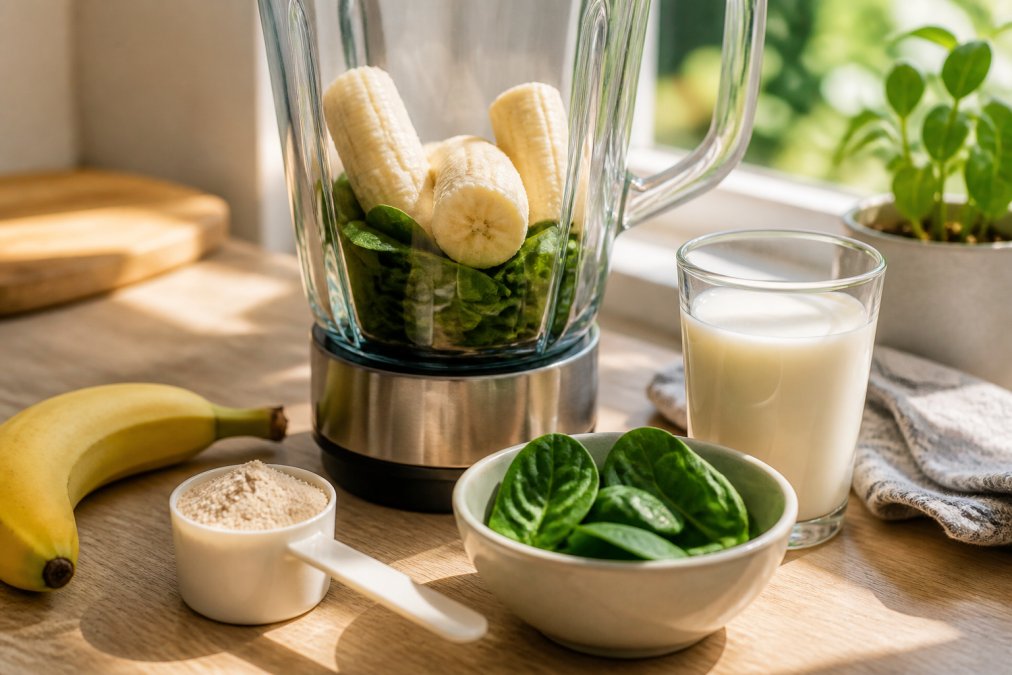
DIY Protein Shake Recipes for Sensitive Stomachs
Frequently Asked Questions
What type of protein powder is best for sensitive stomachs?
Whey isolate, hydrolyzed protein, and plant-based options like pea or hemp protein are gentler than whey concentrate. Look for products without artificial sweeteners, gums, or thickeners, these additives trigger bloating and cramping in sensitive digestive systems. The Whey of the Lord uses clean, third-party tested formulations designed to minimize gastrointestinal distress while delivering complete amino acid profiles for muscle synthesis.
Is whey isolate easier to digest than whey concentrate?
Yes. Whey isolate undergoes micro-filtration to remove lactose and excess fat, improving bioavailability and reducing bloating. Whey concentrate retains more lactose, which causes cramping in people with lactose intolerance. For sensitive digestion, isolate or hydrolyzed whey, where proteins are pre-broken into smaller amino acids, are superior choices that support protein absorption without gastrointestinal distress.
What ingredients should I avoid if I have digestive issues?
Avoid sugar alcohols (sorbitol, xylitol), artificial sweeteners (sucralose, aspartame), gums and thickeners (xanthan gum, guar gum), and high lactose content. These trigger bloating, flatulence, and inflammation in sensitive guts. Choose whole food-based, additive-free products with clean labels. The Whey of the Lord prioritizes ingredient transparency and avoids these problematic additives, ensuring your protein supports gut health rather than compromising it.
Can plant-based protein powders cause bloating?
Some can, depending on the source and processing. Pea and hemp proteins are easier to digest than soy, but poorly processed versions retain fiber that ferments in the gut, causing gas. Sacha inchi offers a hypoallergenic alternative with excellent amino acid profiles. Look for hydrolyzed plant proteins and FODMAP-friendly certifications to minimize bloating. Quality processing methods directly impact how well your digestive system tolerates plant-based protein.

