


Table of Contents
- Best Whey Protein for Muscle: Quick Comparison
- How We Selected These Products
- Whey Protein Isolate vs. Concentrate: Which Builds Muscle Faster
- How Much Protein to Build Muscle: Evidence-Based Dosing
- Why Third-Party Tested Protein Powder Matters for Your Goals
- Protein Timing for Muscle Growth: When to Drink Your Shake
- Frequently Asked Questions
Last Updated: October 5, 2026
Best Whey Protein for Muscle: Quick Comparison
Building muscle requires two things: progressive strength training and adequate protein intake. The best whey protein for muscle supports recovery, promotes lean growth, and delivers the amino acids your muscles need after intense workouts. At The Whey of the Lord, we've analyzed what separates effective protein powders from mediocre ones, and it comes down to protein quality, ingredient transparency, and whether the product aligns with your values.
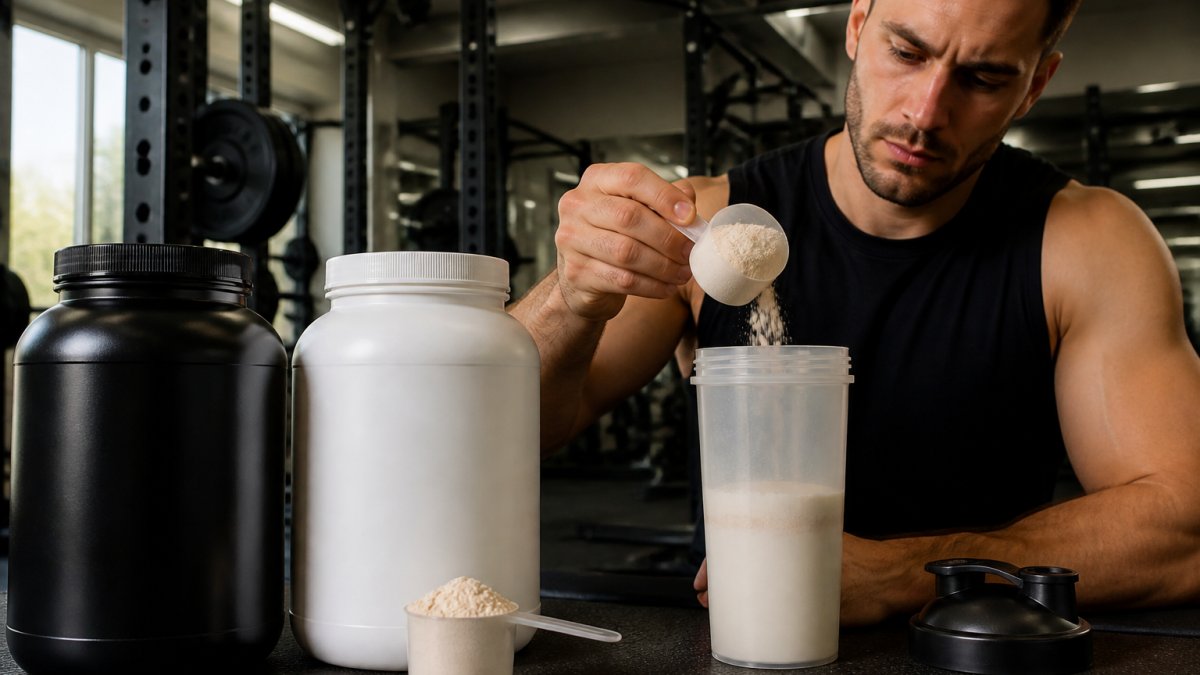
Our top pick is Heaven's Cream Vanilla Whey Protein Isolate from The Whey of the Lord. It combines premium whey protein concentrate and isolate in one formula, mixes cleanly without chalky texture, and costs $54.95 per container. This isolate delivers the amino acids your muscles demand while staying true to clean, faith-aligned nutrition.

| Product | Type | Price | Best For | Key Feature |
|---|---|---|---|---|
| Heaven's Cream Vanilla | Isolate | $54.95 | Everyday muscle support | Creamy texture, mixes easily |
| Chocolate Testament | Isolate | $54.95 | Post-workout recovery | Rich flavor, complete amino profile |
| Salted Caramel of Glory | Isolate | $54.95 | Taste-driven lifters | Sweet-salty balance, dessert-like |
| Divine Chocolate Caramel Cookie | Isolate | $54.95 | Indulgent nutrition | Complex flavor, muscle-building support |
| Pumpkin Crusade | Isolate | $59.99 | Seasonal or year-round | Warm spices, guilt-free energy |
How We Selected These Products
We evaluated these whey proteins based on protein quality, mixability, ingredient transparency, third-party testing, and alignment with clean living principles. Every product here delivers whey protein isolate, the purest form of whey, which means minimal lactose, fewer fillers, and maximum amino acid density per serving.
The selection process prioritized products that stand behind their quality through independent testing. When a brand invests in third-party verification, it signals confidence in what's actually in the container. That's non-negotiable for serious lifters.
We also considered real-world factors: Does it mix without lumps? Does the flavor support consistency, so you actually drink it daily? Does the brand's philosophy align with faith-driven fitness? The Whey of the Lord products checked every box, which is why they lead this guide.
Whey Protein Isolate vs. Concentrate: Which Builds Muscle Faster
Whey isolate is whey protein that has been processed to remove most lactose and fat, leaving 90%+ pure protein per serving. Whey concentrate retains more lactose and fat, typically delivering 70-80% protein by weight. For muscle building, isolate wins because it delivers more protein per scoop with fewer calories from carbs and fat.
The practical difference: If you're sensitive to lactose or tracking macros closely, isolate is your move. If you're simply looking for affordable protein, concentrate works fine, but you'll need slightly larger servings to hit the same protein target.
Here's what matters most: Both support muscle growth when paired with resistance training and adequate total daily protein intake. The "faster" muscle gain comes from consistent training and hitting your protein target, not from choosing isolate over concentrate. That said, isolate is cleaner, mixes better, and gives you more flexibility with your daily calories.
The Whey of the Lord uses isolate across its lineup because we believe you deserve the purest form. No unnecessary lactose, no fillers, just the amino acids your muscles need to repair and grow.
How Much Protein to Build Muscle: Evidence-Based Dosing
Most lifters underestimate how much protein they actually need, and the fix starts with two numbers: a daily target and a per-meal target. Get both right and you remove most of the guesswork from building muscle.
Daily target. A common evidence-based range is 0.7 to 1 gram of protein per pound of body weight per day for people doing regular resistance training. Here is what that looks like at different body weights:
| Body Weight | Daily Protein Target (0.7-1 g/lb) |
|---|---|
| 130 lb | 91-130 g |
| 160 lb | 112-160 g |
| 180 lb | 126-180 g |
| 200 lb | 140-200 g |
| 220 lb | 154-220 g |
If you weigh 180 pounds, that is 126 to 180 grams of protein per day. That range supports muscle protein synthesis, the process where your body builds new muscle tissue after training. Going higher than 1 gram per pound is not harmful for most healthy adults, but it rarely adds extra muscle benefit once you are already in the range.
Per-meal target. Research on muscle protein synthesis suggests that spreading protein across 4 to 5 meals is more effective than eating most of it in one sitting (pubmed.ncbi.nlm.nih.gov). A practical per-meal target is 25 to 40 grams of protein, spaced roughly 4 to 5 hours apart. That gives your muscles repeated stimulation across the day instead of one large spike.
What that looks like in real food and shakes. Here is a sample day for a 180-pound lifter targeting about 160 grams:
- Breakfast: 3 whole eggs plus 1 cup Greek yogurt (about 30 g)
- Lunch: 6 oz grilled chicken breast plus rice and vegetables (about 40 g)
- Post-workout: 1 scoop whey protein isolate in water or milk (about 25 g)
- Dinner: 6 oz lean beef or salmon plus potatoes (about 40 g)
- Evening snack: 1 cup cottage cheese or a second half-scoop shake (about 25 g)
That adds up to roughly 160 grams without any single meal feeling oversized. A single serving of whey protein isolate typically delivers 20 to 25 grams of protein, which makes it an efficient way to hit your daily target without excessive food volume. This is where The Whey of the Lord products earn their place in a muscle-building plan: each serving delivers a clean, complete amino acid profile so you can close the gap between what you eat and what you need, without fillers or unnecessary ingredients.
A note on going higher. Some lifters push toward 1.2 grams per pound during aggressive training blocks. That is not harmful for most healthy adults, but the extra protein is not magic. It only helps if your training volume and recovery support it. More protein without more training stimulus just means more expensive urine.
Consuming protein without resistance training won't build muscle. Protein supports the repair process after you've created muscle damage through strength training. Train hard first, then fuel recovery with adequate protein.
Salted Caramel of Glory Whey Protein Isolate →
Hit 0.7-1 gram of protein per pound of body weight daily, spread across 4-5 meals of 25-40 grams each. Whey protein isolate is the easiest way to fill the gaps between meals without adding excess calories or digestive strain.
Why Third-Party Tested Protein Powder Matters for Your Goals
When you buy protein powder, you're trusting the label. Third-party testing verifies that what's printed on the package actually matches what's inside. Independent labs test for protein content, contaminants, heavy metals, and banned substances.
This matters because the supplement industry has minimal FDA oversight compared to pharmaceuticals. A brand could claim 25 grams of protein per serving but deliver 18. You'd never know without testing. Banned substances sometimes contaminate protein powders accidentally during manufacturing, third-party testing catches these issues before they reach you.
The Whey of the Lord's commitment to third-party testing reflects our core value: clean nutrition that honors your body. We don't cut corners on verification because your health isn't a place to save money.
When evaluating any protein powder, ask: Who tested it? What lab? Can you see the results? Brands confident in their product welcome these questions. Vague answers are red flags.
Protein Timing for Muscle Growth: When to Drink Your Shake
Consume protein within 1 to 2 hours after your workout, but don't stress if you can't. Total daily protein intake drives muscle growth far more than the exact timing of a single shake. That said, timing is not irrelevant, and getting it roughly right is easier than most lifters think.
What the research actually says. Your muscles remain in a heightened state of protein synthesis for 24 to 48 hours after training. A shake immediately post-workout helps, but a shake 2 hours later works nearly as well. The old idea of a narrow 30-minute "anabolic window" has been largely replaced by a broader view: the window is wider than we once thought, and total daily intake matters most.
Where timing still helps. If you train fasted, a post-workout shake is a smart way to get amino acids into your system quickly. If you ate a protein-rich meal within 2 hours before training, you can wait longer. The practical rule: make sure you get 25 to 40 grams of protein within a couple of hours of finishing your workout, whether from a shake or a meal.
How to fit shakes around real meals. Here are four patterns that work for different schedules:
- Morning trainer: Shake immediately post-workout, then a full breakfast 60-90 minutes later. This covers the post-workout window and starts your per-meal protein spread early.
- Lunchtime trainer: Eat a protein-rich lunch 2 hours before training, train, then have a shake as your afternoon snack. This keeps you on a 4-5 meal cadence without doubling up.
- Evening trainer: Have a shake 60-90 minutes before training if you haven't eaten in 3+ hours, then a full dinner within 2 hours after. This prevents training on an empty stomach without overloading your evening.
- Low-appetite lifter: Use a shake as a meal replacement when solid food feels like too much. This is common for people in a calorie surplus who struggle to eat enough.
The consistency principle. The best timing is whatever you'll actually do consistently. Many lifters drink their shake immediately post-workout because it's convenient and signals the start of recovery. Others mix it into oatmeal for breakfast or blend it into a smoothie between meals. None of these is wrong.
The Whey of the Lord products mix instantly with water or milk, so you can prepare a shake anywhere, locker room, car, office. This convenience supports consistency, which is what actually builds muscle over weeks and months. A clean, great-tasting shake you look forward to drinking is a shake you'll actually drink, and that is the real timing advantage.
Lifters aged 40+ who are returning to training after time off benefit most from isolate-based protein because it supports recovery without digestive strain and mixes easily for quick post-workout nutrition.
Aim for 25-40 grams of protein within a couple of hours of training, but don't let perfect timing distract you from hitting your daily total. Consistency beats precision every time.
Frequently Asked Questions
What is the best whey protein to build muscle?
The best whey protein for muscle contains high-quality whey isolate, delivers 20-30 grams of protein per serving, mixes well, and comes from a third-party tested source. The Whey of the Lord's isolate options, including Chocolate Testament, Heaven's Cream Vanilla, and Salted Caramel of Glory, meet all these criteria. Each provides amino acids essential for muscle repair and recovery, with USA-made quality and rigorous testing that ensures purity and label accuracy.
How much protein should I take daily to build muscle?
Research suggests consuming 0.7 to 1 gram of protein per pound of body weight daily supports muscle growth when combined with resistance training. For a 180-pound person, that's 126-180 grams daily, spread across meals and post-workout shakes. Whey protein powder helps meet these targets efficiently. Timing matters too: consuming protein within a few hours after training optimizes muscle protein synthesis and recovery.
Is whey isolate or concentrate better for muscle gain?
Whey isolate contains more protein per serving (usually 25-30g) with less lactose and fat, making it ideal for muscle building and easier digestion. Whey concentrate has slightly more carbs and fat but still supports muscle growth effectively. The Whey of the Lord uses premium whey isolate blends in all its formulas, delivering the amino acids your muscles need with minimal fillers, making isolate the preferred choice for serious muscle-building goals.
When should I drink whey protein for best muscle growth results?
Consume whey protein within 1-2 hours after your workout to maximize muscle protein synthesis during the recovery window. You can also use it as a meal replacement or snack any time to hit daily protein targets. Consistency matters more than timing, meeting your total daily protein goal supports muscle growth regardless of when you drink it. The Whey of the Lord's isolate options mix instantly with water or milk, making post-workout shakes convenient and effective.

