


Table of Contents
- Understanding What Makes Protein Powder Clean
- How to Read a Protein Powder Nutrition Label
- Clean Protein Powder Ingredients to Avoid
- The Role of Third-Party Tested Protein Powder
- Amino Acid Profile and Bioavailability
- Best Protein for Weight Loss and Lean Muscle
- Choosing Clean Protein for Your Goals
- Frequently Asked Questions
Last Updated: September 27, 2026
Understanding What Makes Protein Powder Clean
A clean protein powder is one made with minimal additives, no artificial sweeteners or fillers, and sourced from high-quality ingredients. The Whey of the Lord defines clean protein as supplements that fuel your body while honoring your commitment to pure nutrition and spiritual discipline.
Most commercial powders cut corners with sugar alcohols, artificial flavors, and mystery fillers to hit a price point. Clean protein avoids these shortcuts through transparent sourcing and ingredient integrity.
A clean formula lists recognizable ingredients: whey protein isolate instead of "protein blend," real vanilla flavoring instead of synthetic blends, and no unpronounceable additives designed to mask inferior taste.
At The Whey of the Lord, we've built our reputation on this principle. Our whey protein isolate products deliver pure nutrition without compromise. Each formula supports muscle recovery and lean strength while keeping your nutrition aligned with your values of clean, intentional living.

How to Read a Protein Powder Nutrition Label
Check the serving size first, a label claiming 25 grams of protein per serving means nothing if you're actually getting two servings per scoop.
Look for at least 20 grams of protein per serving. Check whether it's concentrate or isolate, isolate delivers more protein, less lactose, and better digestibility.
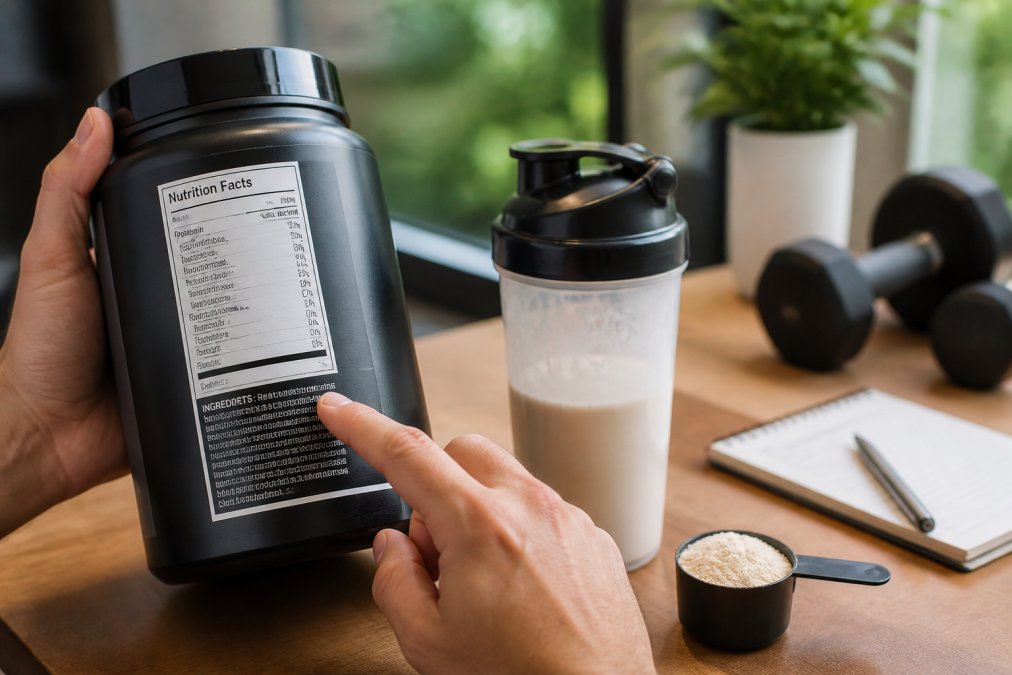
The ingredient list matters most: if sugar appears in the top three ingredients, you're buying a supplement that functions like dessert.
Clean protein powders keep added sugar under 2 grams per serving; anything higher suggests poor-quality protein masked by excess sweeteners.
Check the amino acid profile if available. This shows the breakdown of essential amino acids your muscles use for recovery. A complete amino acid profile with adequate leucine (at least 2.5 grams) supports muscle protein synthesis more effectively.
Clean Protein Powder Ingredients to Avoid
Artificial sweeteners like aspartame, sucralose, and acesulfame potassium often cause digestive issues, bloating, and cravings. Natural sweeteners like stevia or monk fruit offer safer alternatives.
Sugar alcohols like maltitol, xylitol, and sorbitol cause gastrointestinal distress by passing through unabsorbed, triggering bloating, gas, and cramping, often the culprit in protein powder stomach issues.
Thickeners and fillers like guar gum, xanthan gum, and cellulose bulk up powder without nutritional value and can interfere with digestion and nutrient absorption.
Artificial flavors and colors add no nutritional benefit. Real vanilla, cocoa powder, and natural fruit extracts deliver taste without synthetic additives.
Soy lecithin helps powder mix smoothly, but if you're sensitive to soy or prefer to avoid it, check the ingredient list carefully. Many cleaner formulas use sunflower lecithin instead.
Look for products that keep ingredient lists short and recognizable. If you can't pronounce it or don't know what it does, your body probably doesn't need it. The Whey of the Lord's formulas eliminate these problematic additives entirely, giving you pure protein without compromise.
The Role of Third-Party Tested Protein Powder
Third-party testing means an independent laboratory verifies protein content, screens for heavy metals (lead, cadmium, arsenic), confirms microbial safety, and verifies ingredients. This matters because the supplement industry has minimal government oversight. Third-party certification gives you proof, not promises.
Understanding Certification Standards
Not all third-party testing is equal. The most credible certifications include:
NSF Certified for Sport, Tests for banned substances and contaminants; results are publicly verifiable, making it valuable for competitive athletes.
Informed Choice, Focuses on banned substance screening for athletes; trusted in competitive sports but less comprehensive on heavy metals than NSF.
USP Verified, Confirms label accuracy, purity, and potency with heavy metal screening and microbial limits aligned with FDA guidance.
ConsumerLab, Independent testing with transparent methodology covering heavy metals, microbial contamination, and label accuracy.
How to Verify Heavy Metal Testing Results
Heavy metal contamination is a legitimate concern in protein powder. Request the actual lab report. Reputable companies publish results on their website. The report should list specific heavy metals (lead, cadmium, arsenic, mercury) in parts per billion (ppb) and compare against FDA limits: lead under 5 ppb, cadmium under 4.1 ppb, arsenic under 15 ppb.
Check testing frequency. Batch-by-batch testing is the gold standard; quarterly or annual testing offers less assurance.
Chocolate Testament Whey Protein Isolate →
Verify lab independence. The facility should hold ISO 17025 accreditation. If the lab is owned by the supplement company, it's not truly independent.
Look for transparency on sourcing. Grass-fed whey from regions with strict agricultural regulations shows lower heavy metal levels. The Whey of the Lord publishes test results for every batch.
Red Flags in Third-Party Testing Claims
If a brand won't share test results or uses vague language like "independently tested" without naming the lab, assume they're hiding something. Brands should test raw ingredient batches, not just finished products, since contamination often originates in the whey concentrate itself.
The Whey of the Lord commits to rigorous third-party testing for every batch across all our formulas. We publish detailed results so you can verify exactly what you're consuming. This commitment reflects our belief that clean nutrition demands accountability and transparency.
Amino Acid Profile and Bioavailability
The amino acid profile shows each essential amino acid your protein contains. Whey protein delivers all nine, making it complete. Leucine deserves special attention, this branched-chain amino acid triggers muscle protein synthesis. Look for at least 2.5 grams of leucine per serving for optimal recovery.
Understanding Bioavailability: Absorption Rates Across Protein Types
Bioavailability measures how efficiently your body absorbs and uses protein, how quickly amino acids reach your bloodstream and how effectively your muscles utilize them.
Whey protein isolate has the highest bioavailability of all protein sources, breaking down into amino acids within 30-60 minutes. This rapid absorption makes whey isolate the gold standard for post-workout recovery when muscles are primed to accept amino acids.

Whey concentrate has slightly lower bioavailability than isolate due to higher lactose and fat content, taking 60-90 minutes to digest. Isolate remains superior for immediate post-workout recovery.
Plant-based proteins (pea, rice, hemp, soy) have lower bioavailability than whey due to protease inhibitors that resist breakdown. Absorption takes 2-3 hours with only 70-80% amino acid absorption versus whey's 90%+. A 25-gram serving of whey isolate delivers more usable amino acids than a 30-gram serving of pea protein.
Casein protein digests slowly over 4-6 hours, making it useful for sustained amino acid release but poor for immediate post-workout recovery. It's better suited for between-meal consumption or before bed.
Why Bioavailability Matters in Practice
Higher bioavailability directly affects muscle protein synthesis. When amino acids reach your bloodstream quickly and completely, your muscles access them immediately, why whey isolate outperforms plant-based blends for muscle-building goals.
A 25-gram whey isolate serving delivers ~23 grams of usable amino acids within 45 minutes post-workout. The same serving of pea protein delivers only 17-19 grams, a difference that compounds over weeks and months of training.
Whey protein triggers faster fullness signals because amino acids reach your bloodstream quickly, helping you feel satisfied longer and making calorie deficits easier to maintain.
The Leucine Threshold and Muscle Synthesis
Leucine triggers muscle protein synthesis; your muscles require 2.5-3 grams per serving to maximize response. Whey isolate typically contains 2.7-3.2 grams per 25-gram serving. Pea protein contains only ~1.8 grams per 25-gram serving, requiring a 35-gram serving to reach optimal levels, adding unnecessary calories and carbs.
This is why The Whey of the Lord's isolate formulas are engineered to deliver leucine-rich amino acid profiles.
Bioavailability and Digestive Comfort
Whey isolate requires less digestive work than concentrates or plant-based alternatives because protein is partially broken down during processing. Plant-based proteins often cause digestive distress due to fiber and resistant starches that ferment in your colon, producing gas and bloating.
Best Protein for Weight Loss and Lean Muscle
Building lean muscle while losing fat requires adequate protein intake and consistent training. Protein preserves muscle tissue during calorie deficits and supports recovery from workouts. Aim for 0.8 to 1 gram of protein per pound of body weight daily.
Choosing Clean Protein for Your Goals
Start by defining your primary goal. Are you building muscle, losing fat, recovering from training, or simply meeting daily protein needs? Your answer shapes which product makes the most sense.
| Goal | Best Choice | Key Features |
|---|---|---|
| Muscle Building | Whey Isolate | High protein, complete amino acids, leucine-rich |
| Weight Loss | High-Protein, Low-Sugar | 20+ grams protein, under 2g sugar, minimal fillers |
| Sensitive Digestion | Clean Isolate | Minimal additives, no sugar alcohols, easy to digest |
| General Recovery | Quality Whey | 20-25g protein, recognizable ingredients, third-party tested |
Frequently Asked Questions
How can I tell if a protein powder is third-party tested?
Third-party tested protein powder will display certification logos on the label or packaging from organizations like NSF International or Informed Choice. Check the brand's website for testing documentation and results. Legitimate third-party testing means an independent lab verified the product's purity, potency, and absence of contaminants. The Whey of the Lord provides transparent testing results, ensuring you know exactly what you're consuming. Always ask for proof of testing before purchasing, reputable brands make this information easily accessible.
What ingredients should I avoid in clean protein powder?
Avoid artificial sweeteners like aspartame and sucralose, added sugars, sugar alcohols in excess, artificial flavors, and unnecessary fillers. Watch for heavy metals screening results and steer clear of products with undisclosed ingredient sources. Hydrogenated oils, excessive sodium, and synthetic preservatives also compromise purity. Clean protein powder ingredients to avoid include proprietary blends that hide exact amounts, synthetic dyes, and low-quality protein sources. The Whey of the Lord uses premium whey protein isolate without these harmful additives, prioritizing your health and clean living principles.
Is whey isolate better than whey concentrate for clean eating?
Whey isolate undergoes additional micro-filtration, removing more lactose and fat while concentrating the protein content to 90%+ purity. Whey concentrate contains 70-80% protein with more lactose and fat remaining. For clean protein powder choices, isolate offers higher bioavailability and easier digestion, making it ideal if you're sensitive to dairy or want maximum protein with minimal additives. Both are legitimate choices, but isolate aligns better with clean eating goals. The Whey of the Lord's isolate products deliver superior purity and muscle-building amino acids without compromise.
Can protein powder help with weight loss and building lean muscle?
Yes, best protein for weight loss works by increasing satiety, preserving lean muscle during calorie deficits, and supporting post-workout recovery. Protein has a higher thermic effect than carbs or fats, meaning your body burns more calories digesting it. Choose high-protein, low-sugar options to maximize these benefits without excess calories. Pair clean protein powder with resistance training for optimal results. The Whey of the Lord's isolate formulas deliver complete amino acid profiles that fuel muscle protein synthesis while keeping you satisfied longer, making them an excellent choice for sustainable weight loss and strength building.

