


Table of Contents
- What Third-Party Testing Means for Protein Powder
- Why Protein Powders Need Independent Testing
- Dangers of Heavy Metals in Protein Powder
- How Third-Party Testing Protects Against Contaminants and Banned Substances
- Best USA-Made Protein Powder Brands and Their Certifications
- How to Read Supplement Labels for Purity and Verification
- Testing Limitations and What Results Actually Tell You
- Conclusion: Making the Right Choice for Your Fitness and Values
- Frequently Asked Questions
Last Updated: October 9, 2026
What Third-Party Testing Means for Protein Powder
Third-party tested protein is independently verified by an external laboratory, not the manufacturer. This verification confirms the product contains what the label claims and screens for harmful contaminants.
Buying protein powder without third-party testing means relying entirely on the manufacturer's own quality control. The supplement industry faces less rigorous oversight than pharmaceuticals, so mislabeling, contamination, and ingredient substitution happen more often than most consumers realize. Third-party testing closes that gap with objective verification.
At The Whey of the Lord, we understand that faith-driven fitness enthusiasts deserve absolute transparency about what goes into their bodies. Every batch of our whey protein isolate undergoes rigorous third-party testing to verify purity, potency, and safety.
Testing typically verifies protein content per serving, screens for heavy metals and contaminants, confirms ingredient identity, and often screens for banned substances. A certification seal is the result of this independent verification work.
Why Protein Powders Need Independent Testing
Protein powders require independent testing because the supplement market operates under different regulatory standards than food or pharmaceuticals. The FDA oversees supplements, but manufacturers bear primary responsibility for safety and accuracy, the FDA doesn't pre-approve supplements before they hit shelves the way it does with drugs.
This regulatory gap invites corner-cutting: some manufacturers use cheaper ingredients, skip quality checks, or mislabel products to cut costs. Without independent verification, consumers can't know whether a product is what it claims.
Third-party testing exists because the industry recognized this problem. Independent testing organizations developed standardized protocols to verify what's actually in the bottle. When a product passes and earns a certification seal, an external lab has confirmed the manufacturer's claims.
The stakes are especially high for athletes and serious fitness enthusiasts. If you consume protein powder daily for muscle recovery and growth, every scoop must deliver what the label promises, and nothing dangerous.
Dangers of Heavy Metals in Protein Powder
Heavy metals like lead, arsenic, cadmium, and mercury can enter protein powders through several pathways: dairy cattle grazing on pasture with naturally occurring soil metals, poorly maintained manufacturing equipment, and ingredients sourced from regions with less stringent environmental standards.
The concern isn't theoretical. Heavy metals accumulate in your body over time and can cause neurological damage, kidney dysfunction, and increased cancer risk. Even small amounts consumed repeatedly can reach dangerous levels, which is why third-party testing screens specifically for heavy metal content.
Testing labs use different thresholds for "safe" levels. Some follow FDA guidelines; others use stricter California Proposition 65 limits.
The best USA-made protein powder brands, including The Whey of the Lord, prioritize sourcing from suppliers with documented safety records and manufacturing facilities that actively monitor for contamination.
How Third-Party Testing Protects Against Contaminants and Banned Substances
Third-party testing protects you through systematic screening across categories. Contaminant screening checks for heavy metals, microbial contamination, and pesticide residues. Banned-substance testing verifies no prohibited ingredients are present.
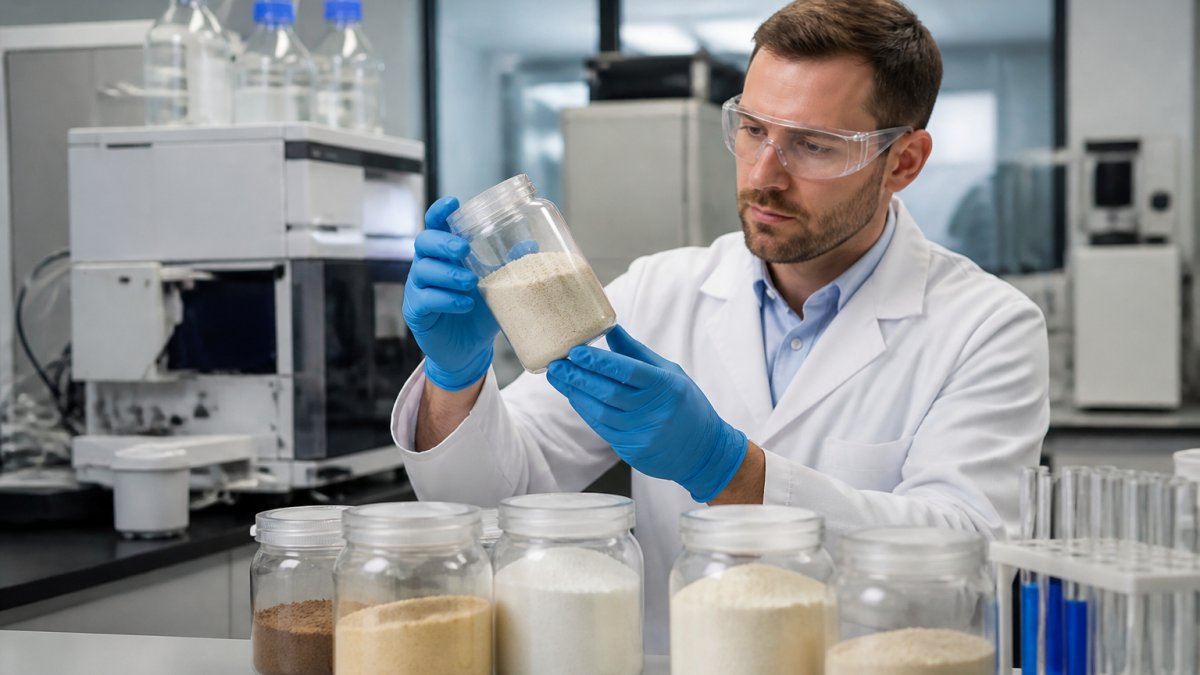
For athletes, banned-substance testing is critical. Some supplements accidentally contain prohibited substances because they share manufacturing facilities with products using those ingredients, or because suppliers mislabel raw materials.
Testing typically breaks the product into component parts, identifies each ingredient, measures concentration, and screens for contaminants using standardized lab methods. Results are documented in reports specifying what was tested, what was found, and whether results meet stated standards.
When you choose a third-party tested product like those from The Whey of the Lord, you're choosing a brand that has submitted to objective verification.
Certification organizations maintain different standards. Some focus on banned substances for athletes, others on heavy metal screening, and the most comprehensive programs check multiple categories.
Best USA-Made Protein Powder Brands and Their Certifications
When evaluating USA-made protein powder brands, look for certifications from recognized third-party testing organizations. These seals indicate that a product has passed independent verification.
The Whey of the Lord stands out as a faith-inspired brand committed to both performance and values. Our whey protein isolate products, including Chocolate Testament, Heaven's Cream Vanilla, Salted Caramel of Glory, Divine Chocolate Caramel Cookie, and Pumpkin Crusade, are manufactured in the USA and rigorously third-party tested for purity, potency, and safety. Our products are gluten-free and designed for serious fitness enthusiasts who refuse to compromise on quality or integrity. Shop The Whey of the Lord protein powders to experience the difference that true third-party testing and USA manufacturing delivers.

When comparing brands, examine certification details. Some manufacturers test only for banned substances; others screen comprehensively for heavy metals, microbial contamination, and ingredient accuracy. The most rigorous programs include all three. Ask whether results are publicly available and current, since old certifications don't guarantee ongoing compliance.
USA manufacturing matters because it means the product is subject to stricter environmental and labor standards than overseas production. Combined with third-party testing, it becomes a meaningful indicator of quality and safety, and brands emphasizing both are typically more transparent about their processes.
How to Read Supplement Labels for Purity and Verification
Reading supplement labels effectively means understanding what's required and what additional transparency signals quality.
Chocolate Testament Whey Protein Isolate →
Look for a certification seal or mark from a recognized third-party testing organization. Common seals include NSF Certified for Sport, Informed Choice, and USP Verified. These marks indicate that the product has passed independent testing.
Check the ingredient list for specificity. High-quality brands specify whether the whey is concentrate, isolate, or a blend. Isolate indicates higher protein concentration and lower lactose, which matters for digestive sensitivity.
Examine the nutrition facts panel. Protein content should match the label claim, and carbs and fats should be reasonable for the product type.
Look for transparency about testing. Some brands publish third-party test results on the label or website; others provide batch numbers linking to specific reports.
| Label Element | What It Means | What to Look For |
|---|---|---|
| Certification Seal | Independent testing verification | NSF, Informed Choice, USP marks |
| Ingredient List | What's actually in the product | Specific protein type (isolate vs. concentrate) |
| Nutrition Facts | Protein, carbs, fats per serving | Protein amount matches label claim |
| Test Results Link | Access to verification data | Batch number or QR code to results |
| Manufacturing Location | Where the product was made | USA manufacturing for higher standards |
When evaluating products like those from The Whey of the Lord, you'll notice clear labeling of whey protein isolate as the primary ingredient, straightforward nutrition facts, and commitment to third-party testing.
Testing Limitations and What Results Actually Tell You
Third-party testing provides valuable verification, but it has limitations. Test results are a snapshot of a specific batch at a specific time.
Testing standards vary by organization and region. A product passing one organization's testing might not meet another's.
Test results also don't catch everything. Comprehensive screening checks for common contaminants and known banned substances, but new compounds or unexpected contamination sources might not be included. Testing represents risk reduction, not an absolute guarantee, though third-party tested products are significantly safer than untested alternatives.
Companies conducting testing have invested in verification, which typically correlates with overall quality commitment, though not always.
When interpreting test results, look for specificity. "Tested for purity" is vague; "tested for lead, arsenic, cadmium, and mercury" is specific. "Meets FDA standards" is a baseline; "meets California Prop 65 limits" indicates stricter verification.
Conclusion: Making the Right Choice for Your Fitness and Values
Choosing third-party tested protein powder means prioritizing your health and integrity. Verification confirms what you're consuming matches the label and is free from dangerous contaminants. For fitness enthusiasts who view training as spiritual discipline, this commitment to truth in nutrition aligns with values of stewardship and honesty.
The Whey of the Lord delivers exactly this promise. Our USA-manufactured whey protein isolate undergoes rigorous third-party testing for purity, potency, and safety. Whether you choose Chocolate Testament, Heaven's Cream Vanilla, Salted Caramel of Glory, Divine Chocolate Caramel Cookie, or Pumpkin Crusade, you're getting a product that has been independently verified to contain exactly what we claim. This commitment to clean, healthy living, combined with our faith-inspired approach to fitness, reflects our core belief that your body deserves products as honest and purposeful as your dedication to training.

FDA guidance on dietary supplement labeling and claims
NSF International certification standards for sports supplements
ConsumerLab independent supplement testing and verification
Frequently Asked Questions
What does third-party tested mean for protein powder?
Third-party tested means an independent laboratory, not the manufacturer, analyzes the protein powder to verify ingredient identity, protein content, purity, and the absence of contaminants like heavy metals and banned substances. The testing lab is unaffiliated with the brand, ensuring objective results. This verification protects you from mislabeling, nitrogen spiking, and hidden contaminants that could harm your health or athletic performance.
How can I verify if my protein powder has been third-party tested?
Check the product label or manufacturer's website for certification seals from recognized testing organizations. Look for NSF Certified for Sport, Informed Choice, or USP verification marks. Request a Certificate of Analysis (COA) from the brand, legitimate companies provide this document showing exact test results. The Whey of the Lord publishes third-party testing results transparently, giving you direct access to proof of quality and purity before you purchase.
What are the risks of consuming protein powder that isn't third-party tested?
Untested protein powder carries serious risks: label claims may be false (less protein than advertised), heavy metals like lead and arsenic can accumulate in your body over time, banned substances may be present and trigger failed drug tests, and nitrogen spiking artificially inflates protein content while adding useless amino acids. Without independent verification, you have no way to know what you're actually consuming or whether it's safe for your health and athletic goals.
Why is third-party certification important for dietary supplements?
The FDA does not pre-approve dietary supplements before they reach the market, so third-party certification fills that safety gap. Independent testing verifies that what's on the label matches what's in the container, screens for contaminants that pose health risks, and confirms ingredient identity and purity. This certification protects consumers from fraud, accidental exposure to banned substances, and long-term health damage from heavy metal accumulation.
How does third-party testing ensure label accuracy?
Third-party labs test the actual product to measure protein content, amino acid profiles, and ingredient composition, then compare results against manufacturer claims. If the label says 25 grams of protein per serving, the lab verifies this is accurate. Testing also detects nitrogen spiking, a fraud method where non-protein nitrogen inflates apparent protein content. Accurate labeling ensures you get what you pay for and can trust the supplement in your fitness plan.
What heavy metals are found in protein powder and how dangerous are they?
Lead, arsenic, cadmium, and mercury are the primary heavy metals tested in protein powders. These accumulate in your body over time, damaging your kidneys, nervous system, and bones even at low daily doses. Third-party testing screens for these metals and sets safe thresholds based on daily consumption. The Whey of the Lord's USA-made protein powders undergo rigorous heavy metal screening to ensure every serving is clean and safe for long-term use.
Do major supplement regulators require third-party testing?
The FDA and FTC do not mandate third-party testing for all supplements, but they require manufacturers to ensure products are safe and labels are truthful. Third-party certification is voluntary and goes beyond regulatory minimums. Reputable brands choose independent testing to prove quality, build consumer trust, and differentiate themselves from untested competitors. The Whey of the Lord voluntarily submits to third-party testing because transparency and purity align with our commitment to clean, honest nutrition.
