


Table of Contents
- Understanding Your Daily Protein Needs
- Protein Intake Calculator for Your Goals
- How Much Protein Per Meal: Timing and Distribution
- Best Protein Sources for Muscle Building
- Protein Intake for Athletes and Muscle Hypertrophy
- Signs of Protein Deficiency and Excessive Intake
- Practical Meal Planning Examples
- Frequently Asked Questions
Last Updated: September 20, 2026
Understanding Your Daily Protein Needs
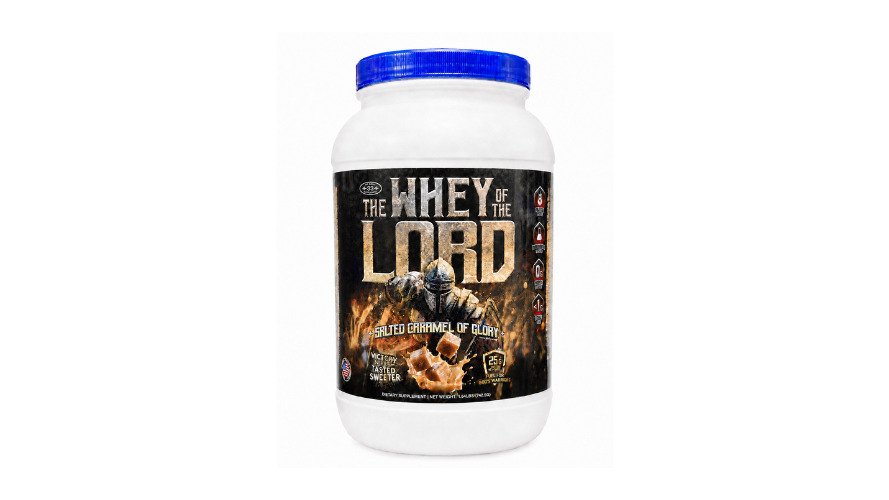
How much protein per day do you actually need? The answer to how much protein per day you need depends on your weight, activity level, and fitness goals. Most people underestimate their protein requirements, especially if they're training hard or recovering from injury. At The Whey of the Lord, we help faith-driven athletes understand that fueling your body with adequate protein is a form of stewardship, honoring the vessel God gave you while pursuing strength and health.
Protein is one of three macronutrients your body needs to function.
Recommended Dietary Allowance (RDA) Baseline
The Recommended Dietary Allowance for protein is 0.8 grams per kilogram of body weight for sedentary adults. This baseline assumes minimal physical activity. For a 150-pound person, that's roughly 55 grams per day, enough to maintain basic bodily functions but insufficient for anyone training regularly.
Protein Requirements by Body Weight and Activity Level
Your lean body mass, not total body weight, determines your true protein needs. Two people weighing 200 pounds may have vastly different protein requirements depending on their muscle mass and activity level.
Protein Intake Calculator for Your Goals
Calculating your ideal protein intake takes three steps. First, determine your weight in kilograms by dividing your body weight in pounds by 2.2. Second, identify your activity level. Third, multiply your weight by the appropriate multiplier based on your training intensity.
Step-by-Step Calculation Method
Start by converting your body weight. If you weigh 180 pounds, divide by 2.2 to get 82 kilograms. Next, select your activity level: sedentary (0.8), light activity (1.2), moderate training (1.6), or intense training (2.0). Multiply 82 by your activity multiplier. For moderate training, that's 82 × 1.6 = 131 grams of protein per day.
Adjusting for Age and Metabolic Factors
Metabolic rate varies by individual. Some people digest and use protein more efficiently than others, influenced by genetics, gut health, and overall nutrition. If you're not seeing progress after four weeks at your calculated intake, increase by 10-15 grams and reassess.
How Much Protein Per Meal: Timing and Distribution
How you distribute protein throughout the day matters more than most guides suggest. Consuming 200 grams of protein in a single meal is less effective than spreading it across four or five meals. Your body can efficiently synthesize muscle protein from roughly 30-40 grams per meal.
Optimal Meal Frequency and Portion Sizes
Aim for 25-40 grams of protein per meal, spread across three to five eating occasions. A 180-pound person eating 130 grams daily could consume 35 grams at breakfast, 40 at lunch, 30 as a snack, and 25 at dinner. This distribution keeps muscle protein synthesis elevated throughout the day rather than spiking and crashing.
| Meal | Protein Target | Example |
|---|---|---|
| Breakfast | 25-35g | 3 eggs + toast |
| Lunch | 35-45g | Grilled chicken + rice |
| Snack | 20-30g | Protein shake or Greek yogurt |
| Dinner | 30-40g | Salmon + vegetables |
Protein Timing for Recovery and Muscle Protein Synthesis
Post-workout nutrition does matter, just not in isolation. Consuming protein within a few hours after training supports muscle protein synthesis, especially if your pre-workout meal was several hours prior. A protein shake immediately after training is convenient and effective, but a solid meal eaten two hours later works nearly as well.
Best Protein Sources for Muscle Building
Not all protein sources are equal. Bioavailability, how efficiently your body absorbs and utilizes amino acids, varies significantly between animal and plant-based options, and this difference directly affects how much total protein you need to consume to hit your muscle-building goals.
Animal-Derived vs. Plant-Based Protein and Bioavailability
Animal proteins like beef, chicken, fish, and eggs contain all nine essential amino acids in optimal ratios and are highly bioavailable. Whey protein isolate, derived from milk, ranks among the highest for muscle protein synthesis stimulation, with a Protein Digestibility-Corrected Amino Acid Score (PDCAAS) of 1.0, meaning your body absorbs and utilizes nearly 100% of the amino acids you consume.

Bioavailability comparison by source:
- Whey protein isolate: 1.0 PDCAAS; ~90-95% of amino acids absorbed within 30-60 minutes. Leucine content is exceptionally high (11% by weight), making it the most efficient trigger for muscle protein synthesis.
- Whole eggs: 1.0 PDCAAS; ~95% absorption. Egg white is pure protein; egg yolk adds fat-soluble vitamins and choline, supporting overall recovery.
- Beef (lean): 0.92 PDCAAS; ~90% absorption. Rich in creatine and carnosine, compounds that support muscle energy and endurance.
- Chicken breast: 0.95 PDCAAS; ~90% absorption. Lean, cost-effective, and versatile.
- Fish (salmon, cod): 0.95 PDCAAS; ~90% absorption. Omega-3 fatty acids reduce inflammation and support cardiovascular health alongside muscle building.
- Soy protein isolate: 0.95 PDCAAS; ~85-90% absorption. Plant-based complete protein with leucine content (8% by weight) lower than whey but sufficient for muscle synthesis when consumed in adequate quantities.
- Pea protein isolate: 0.75 PDCAAS; ~75-80% absorption. Lower in methionine (one of the nine essential amino acids); combining with rice or grains improves the amino acid profile.
- Beans and lentils: 0.60-0.70 PDCAAS; ~60-70% absorption. Lower bioavailability and incomplete amino acid profiles; require larger portions or strategic pairing to match animal protein's muscle-building effect.
What this means in practice: A 150-pound person targeting 110 grams of protein daily could achieve this with:
- ~3.5 chicken breasts (4 oz each) = 110 grams of highly bioavailable protein
- ~4 cups of cooked lentils = 110 grams of protein, but only ~70 grams are efficiently absorbed and utilized; the remainder is partially lost to digestion
Complete Proteins and Amino Acid Profiles
A complete protein contains all nine essential amino acids your body cannot manufacture. Essential amino acids, particularly leucine, trigger muscle protein synthesis by activating the mTOR pathway, initiating muscle repair and growth.
Plant-based proteins often lack one or more essential amino acids. Lentils are low in methionine; beans are low in methionine; nuts and seeds are low in lysine. However, strategic pairing creates complete profiles:
- Rice + beans: Rice provides methionine; beans provide lysine. Together, they form a complete amino acid profile.
- Chickpeas + whole grain bread: Chickpeas provide lysine; grains provide methionine.
- Tofu + quinoa: Tofu is a complete protein on its own (soy), and quinoa is also complete; together they provide redundancy and higher total bioavailability.
Protein Intake for Athletes and Muscle Hypertrophy
Athletes pursuing muscle hypertrophy should target the higher end of protein recommendations: 1.8 to 2.2 grams per kilogram of body weight. This elevated intake supports the increased muscle protein synthesis demands of intense resistance training.
Signs of Protein Deficiency and Excessive Intake
Recognizing Inadequate Protein and Sarcopenia Risk
Insufficient protein intake causes muscle loss, weakness, and poor recovery. You might notice slower workout recovery, persistent fatigue, or inability to progress in strength despite consistent training. Over months, inadequate protein accelerates sarcopenia, age-related muscle loss that compounds with inactivity.
Risks of Excessive Protein and Kidney Function
Contrary to popular concern, high protein intake doesn't damage healthy kidneys. Decades of research on athletes consuming 2-3 grams per kilogram show no adverse kidney effects in people with normal kidney function. However, individuals with existing kidney disease should consult their doctor before increasing protein intake significantly.
Practical Meal Planning Examples
Breakfast: 3 whole eggs scrambled with 1 slice whole grain toast and 1 tablespoon almond butter (25g protein)
Frequently Asked Questions
How much protein per day do I actually need?
The Recommended Dietary Allowance (RDA) is 0.8 grams per kilogram of body weight for sedentary adults. However, if you're active or building muscle, aim for 1.6 to 2.2 grams per kilogram. For example, a 180-pound person (82 kg) doing resistance training needs roughly 130-180 grams daily. Your exact requirement depends on your activity level, age, and body composition goals.
Is 100 grams of protein a day too little?
It depends on your body weight and activity level. For a sedentary 150-pound person, 100 grams meets baseline needs. But if you're training hard or weigh more, it's likely insufficient for muscle protein synthesis and recovery. Athletes and those in strength training typically need 120-180+ grams daily to support hypertrophy and repair.
What's the best protein timing for recovery?
Consume 20-40 grams of protein within a few hours after your workout to support muscle protein synthesis. Distributing protein throughout the day (roughly 25-40 grams per meal) is more important than hitting a single 'anabolic window.' Consistency across meals maximizes nitrogen balance and lean body mass retention better than one large dose.
Can I get enough protein from plant-based sources alone?
Yes, but plant-based proteins often have lower bioavailability and incomplete amino acid profiles compared to animal-derived options. Combining legumes, grains, nuts, and seeds helps you get all essential amino acids. If building muscle is your goal, animal proteins like eggs, fish, and dairy are more efficient, though quality plant-based blends can work with careful planning.
What happens if I eat too much protein?
Excessive protein intake rarely harms healthy kidneys, but very high amounts (above 2.5 grams per kilogram daily) may stress kidney function in people with existing kidney disease. For most people, the main risk is consuming excess calories, which can lead to weight gain. The tolerable upper limit for healthy adults is generally considered safe up to 2.2-2.5 grams per kilogram.
Does protein need change as I get older?
Yes. Older adults (65+) experience faster muscle loss (sarcopenia) and may need 1.0-1.2 grams per kilogram, higher than the standard RDA, to maintain lean body mass. Combined with resistance training, higher protein intake helps offset age-related muscle decline and supports metabolic rate.
| Strategy | Target | Benefit |
|---|---|---|
| Calculate baseline needs | 0.8-2.2g per kg | Know your exact requirement |
| Distribute across meals | 25-40g per meal | Optimize muscle protein synthesis |
| Choose complete proteins | All 9 amino acids | Maximize bioavailability |
| Time around training | Within 2 hours | Support recovery and adaptation |
| Track intake weekly | Hit daily total | Build consistency and results |

